Loading 

Tehran International & Adaptive School (Boys)
The Iran Studies Center is an educational, cultural, and research initiative dedicated to promoting a comprehensive, authentic, and contemporary understanding of Iran's history, civilization, language, culture, arts, geography, and national heritage. The Center serves as a dynamic platform where Iranian and international students engage in meaningful learning experiences that foster cultural awareness, mutual understanding, and global citizenship.
By combining academic excellence with experiential learning, the Center introduces students to both the rich historical legacy of Iran and its modern achievements in science, technology, medicine, innovation, arts, economy, and tourism.
To become a leading educational center for Iran Studies that inspires intercultural dialogue, promotes appreciation of Iranian civilization, and nurtures globally minded students who value cultural diversity, historical knowledge, and shared human heritage.
Head of Iran Studies Center
Tehran International & Adaptive School (Boys)
The Iran Studies Center is committed to:
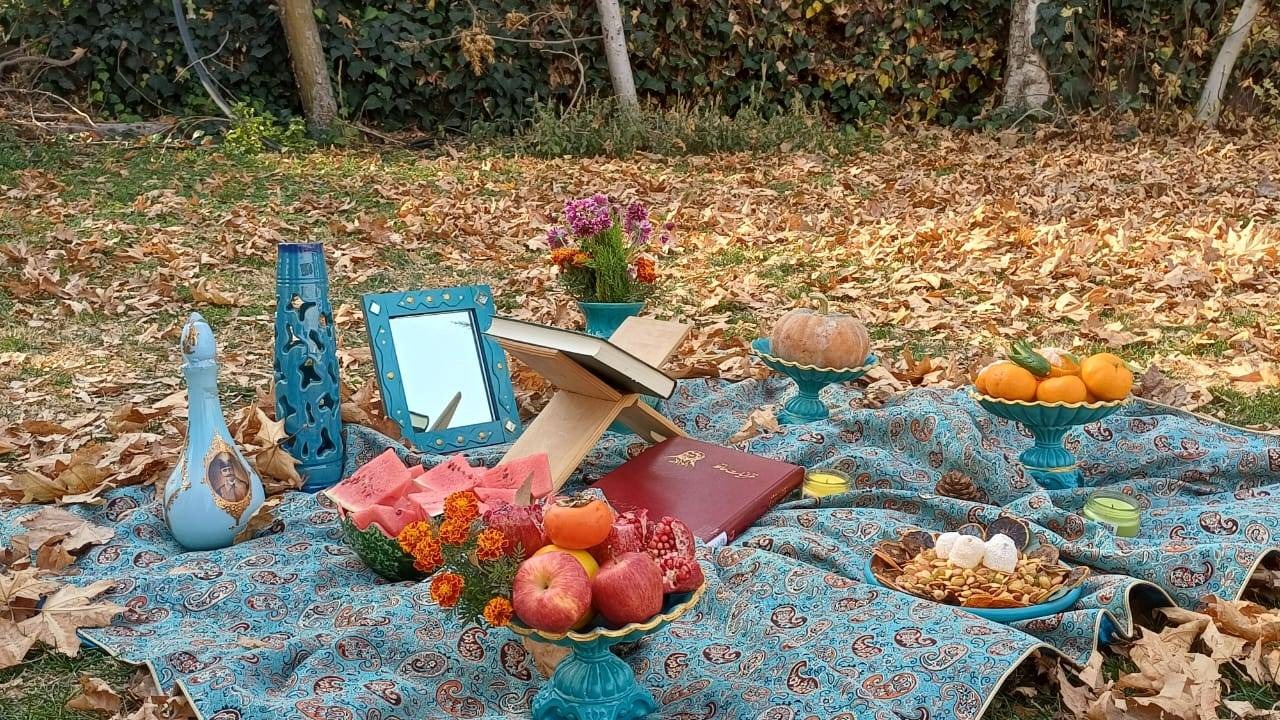
Yalda Night, or Shab-e Chelleh, is one of Iran’s oldest cultural traditions, celebrated on the last night of autumn during the winter solstice. As the longest night of the year, it symbolizes the victory of light over darkness, and represents hope, unity, and renewal in Iranian culture.
For thousands of years, Iranian families have gathered on this night to spend time together, honor elders, share stories, and strengthen family bonds. Traditional elements of Yalda include a colorful table with fruits such as pomegranates and watermelon, nuts, poetry reading from Hafez, storytelling, and traditional activities.
More than an ancient celebration, Yalda Night is a symbol of cultural identity, family connection, and the transmission of traditions across generations. Today, it is celebrated by Iranians and Persian-speaking communities around the world as a reminder of hope, friendship, and the arrival of brighter days.
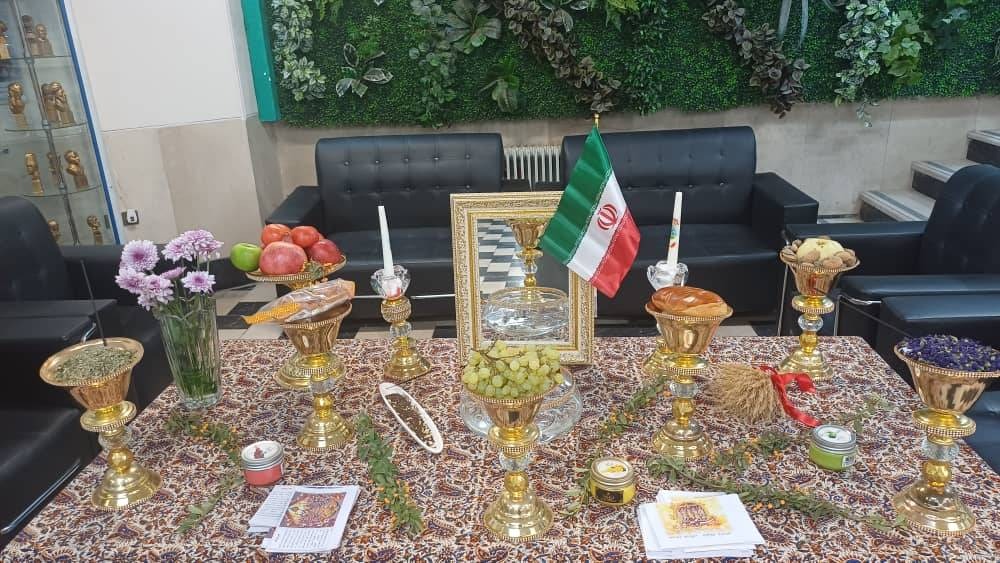
Mehregan is one of the oldest and most significant Iranian festivals, rooted in the ancient traditions of Persia. Celebrated in autumn, this festival is dedicated to Mithra (Mehr), the symbol of light, friendship, kindness, and covenant in Iranian culture.
For thousands of years, Mehregan has been a celebration of gratitude, joy, and harmony. Iranian families and communities traditionally gathered together, decorated festive tables with colorful foods, fruits, flowers, and symbolic items, and celebrated the blessings of life, nature, and togetherness.
Beyond a seasonal celebration, Mehregan represents important cultural values such as friendship, respect, generosity, justice, and appreciation for the natural world. It reflects the deep connection between Iranian traditions, human relationships, and the changing seasons.
Today, Mehregan continues to be celebrated by Iranian communities around the world as a symbol of Iran’s rich cultural heritage and a reminder of the importance of kindness, unity, and cultural continuity across generations.